
The skid steer is one of the most versatile and widely used machines in contracting. It moves fast, turns tight, and handles a wide variety of attachments. It’s also one of the most destructive machines on unprotected surfaces.
The zero-turn pivot mechanism that makes skid steers so maneuverable is exactly what tears up lawns and scuffs driveways. One wrong pass and a residential lawn looks like a construction zone. That damage doesn’t fix itself fast, and the client remembers.
Skid steer ground protection mats solve this. Here’s the complete setup guide.
Why Skid Steers Cause Disproportionate Ground Damage
Zero-turn pivoting
Skid steers steer by differentially powering the left and right sides. The result is a tight pivot—effective for maneuvering in confined spaces, but extremely hard on the surface below. The lateral shear force from a pivot tears turf and scuffs pavement in ways that a wheeled vehicle making a gradual turn never would.
High contact pressure on small tire footprint
A standard skid steer weighs 6,000 to 10,000 pounds and distributes that load across four tires with relatively small contact patches. The pounds-per-square-inch load on soft turf can be extremely high—enough to compress and kill root systems on a single pass, especially in wet spring conditions.
Repeated passes over the same route
Skid steers don’t make a single pass. They cycle repeatedly—back and forth, all day. The first pass may leave a light impression. By the 10th, you have ruts. By the 20th, you have a trench.
The Surfaces Skid Steers Damage Most
Residential lawns
Lawns are the most visually impactful damage scenario. Deep ruts across a manicured yard are immediately visible and take a season to fully recover—if the soil compaction didn’t kill the root system entirely. On wet spring ground, this damage can happen on the first pass.
Driveway aprons and pavement
The pivot motion that causes turf damage also creates scuffing on concrete and asphalt. Decorative concrete and stamped surfaces suffer the most—the surface finish gets abraded in visible patterns that are impossible to repair cleanly.
Planted beds and landscaping
A skid steer tire that rides off a mat or access path onto a planted bed can destroy months of landscape work in seconds. Access paths that keep the machine on track protect not just the lawn but all adjacent planted areas.
Setting Up Skid Steer Ground Protection the Right Way
Lay the path before the machine comes off the trailer
The most important principle: ground protection goes down before equipment moves. Not after the first pass. Not when you notice the ruts starting. Before the machine comes off the trailer.
Full-width coverage for the machine
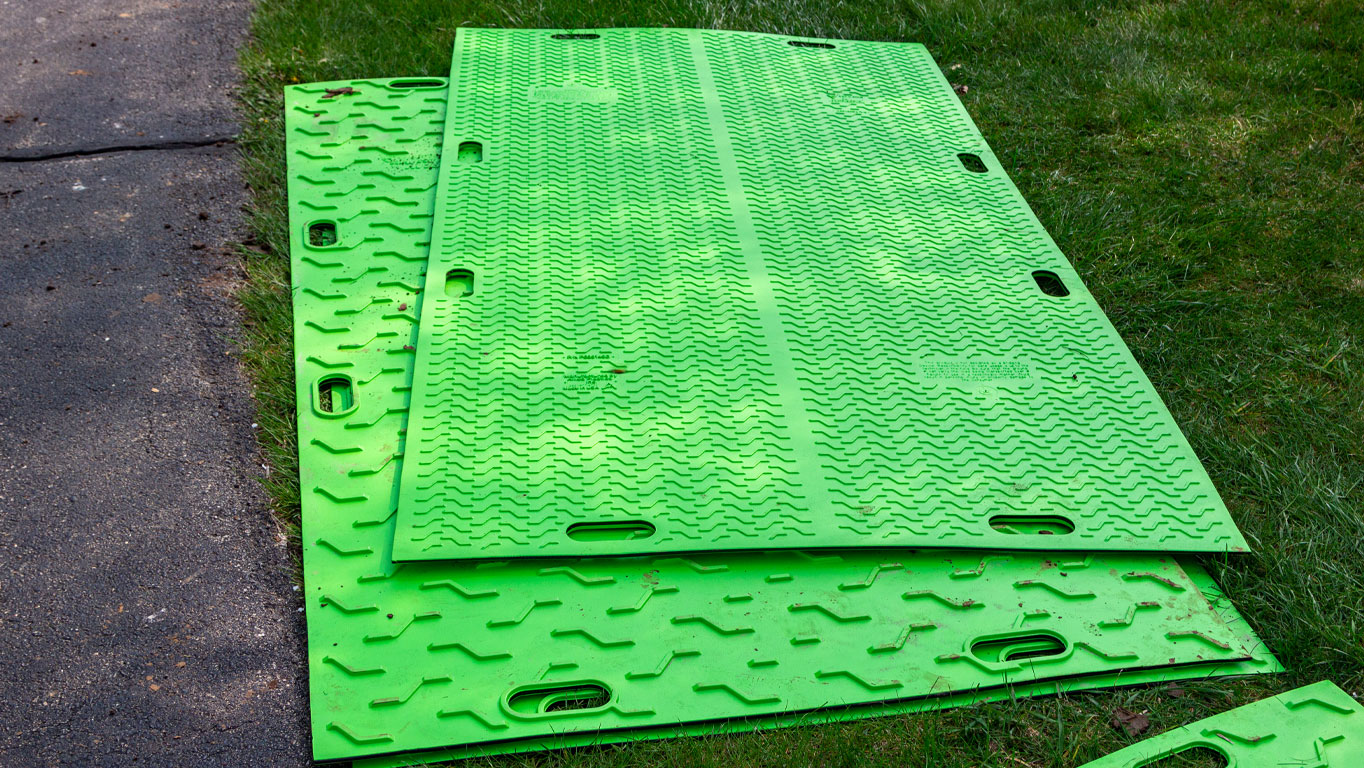
A standard skid steer is 5 to 6 feet wide. A double-column path of BAM! 4×8 panels creates an 8-foot-wide lane—enough to keep both tires fully on the mat even with minor positioning variance during operation.
Extended turning zone coverage
The pivot zone at the end of an access path—where the skid steer turns to reenter—is the highest-damage area. Add extra panels to the turning zone. The machine needs room to complete a full pivot without any tire leaving the mat.
Protect the loading and unloading zone
The area where the skid steer transitions from the trailer to the ground—and back—takes concentrated loads and frequent pivots. Mat this zone generously, extending several feet in each direction from the ramp landing.
Use 2×8 panels through gates and tight passages
Side yard gates are often 36 to 48 inches wide—too narrow for a 4×8 panel deployed sideways, and not quite wide enough for a skid steer to pass through comfortably. Two 2×8 panels (24 inches wide each) laid side by side create a protected 48-inch path through a standard gate opening.
Skid Steer Jobs Where Mats Are Non-Negotiable
Lawn grading and topsoil installation: The entire project surface is vulnerable. Full path coverage is standard.
Sod installation: Moving sod pallets across a prepared lawn without protection defeats the purpose of the preparation.
Pool excavation: Heavy material loads combined with repeated cycles on residential lawns.
Hardscape and paver installation: Equipment moving across finished or partially finished hardscape requires full protection.
Tree removal: Stump grinders, chippers, and loaders create repeated traffic on residential lawns.
Remodeling material staging: Skid steers moving materials on residential properties with decorated driveways and lawn access.
What BAM! Mats Provide for Skid Steer Protection
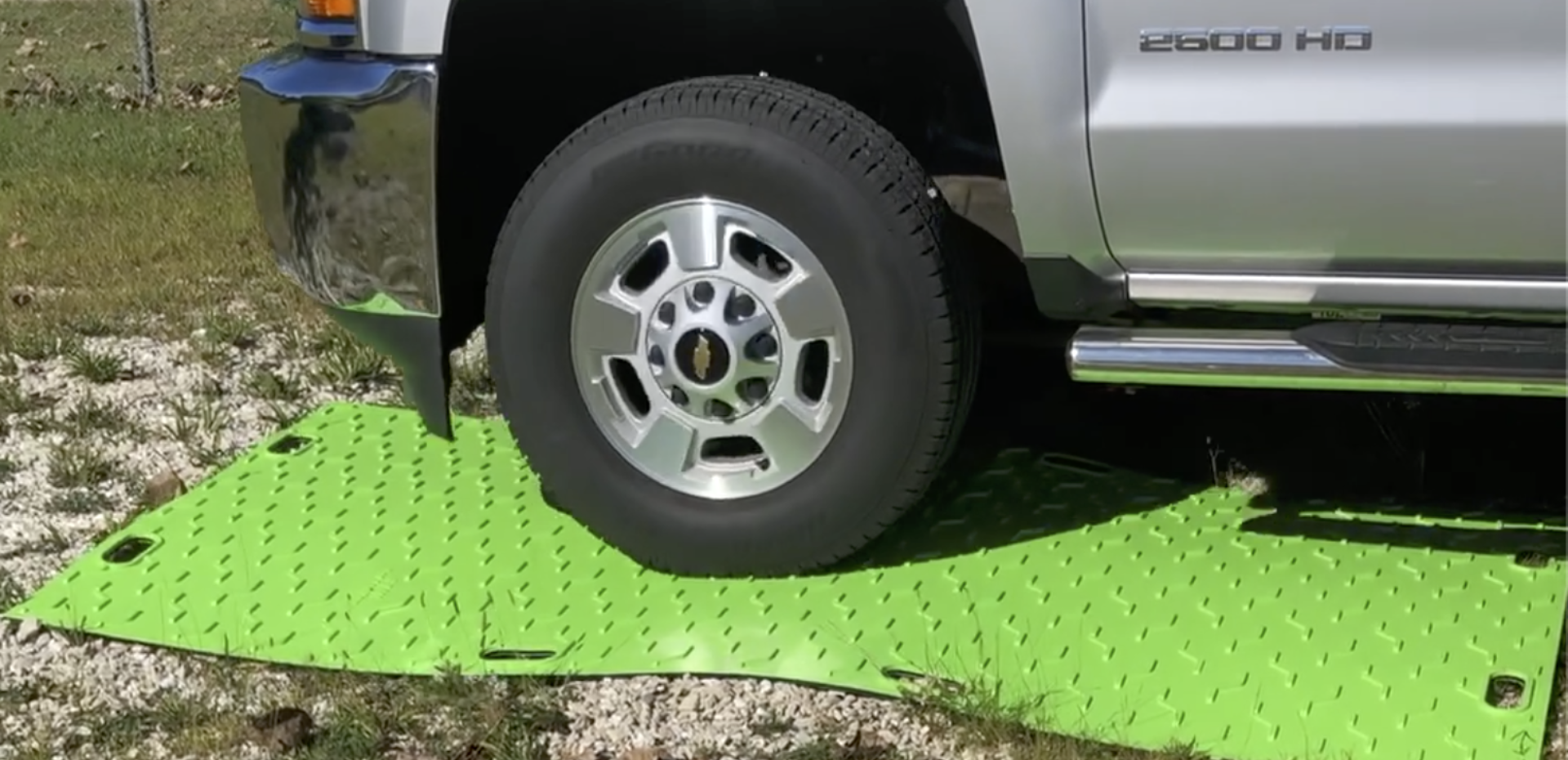
BAM! Bad Ass Mats are the ground protection standard contractors choose when the job involves real equipment and real surfaces. Their 80-ton rating—far above any skid steer’s weight—means every deployment has enormous safety margin.
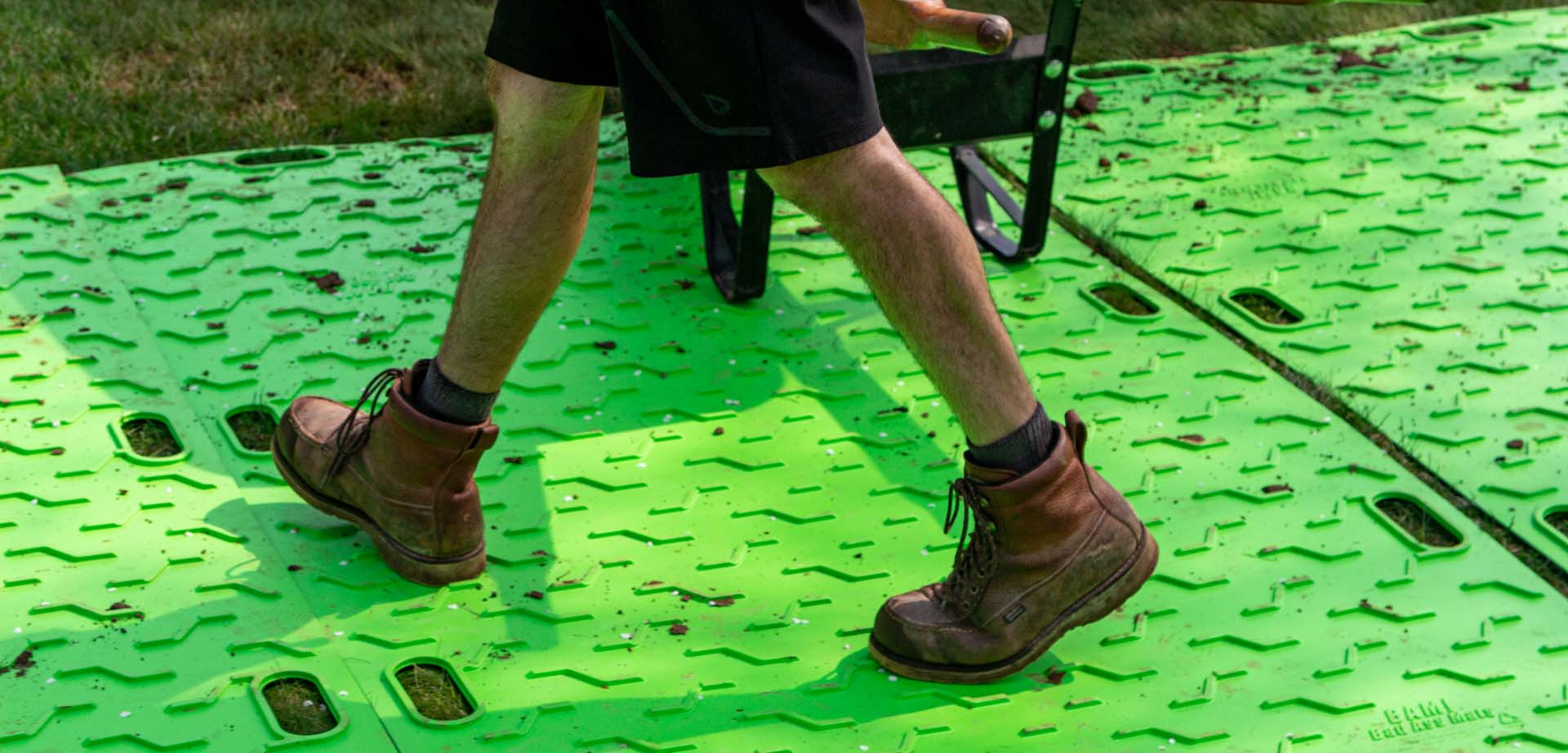
The dual-sided tread design serves skid steer jobs specifically. Equipment-side grip keeps the machine moving smoothly without tire spin. Pedestrian-side traction gives crew members working alongside the machine safe footing during mat deployment and job operations.
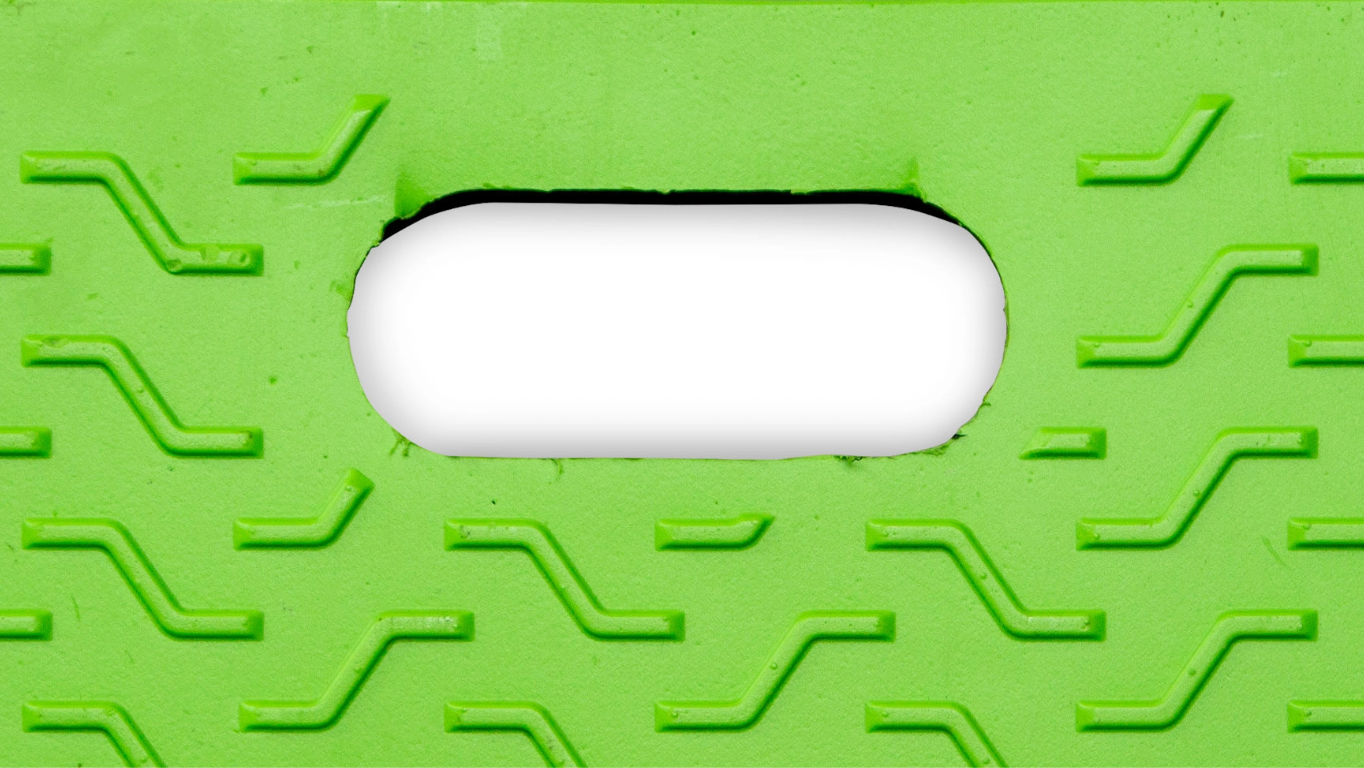
At 56 pounds per panel with 8 large hand holds, one crew member handles mat setup while the other prepares the work zone. Parallel workflow means faster setup and more time on the actual job.
Frequently Asked Questions
Q: How many mats do I need for a typical residential skid steer job?
A: For a typical residential landscaping or grading job, 10 to 16 BAM! 4×8 panels covers the standard access path plus turning zone. Larger properties with longer access routes from the street to the backyard may need more. Call 888-870-8158 to plan your setup.
Q: Can mats be repositioned while the skid steer is still on them?
A: Yes—by crew members walking alongside. The machine pauses, crew repositions the leading mats to extend the path forward, and the machine advances. This flip-and-lay method allows continuous access path extension without machine downtime.
Q: Do the mats stay in place under skid steer pivoting?
A: BAM! HDPE mats have sufficient mass and grip to remain stable under skid steer pivoting. On smooth, hard surfaces, it’s advisable to add extra panels in the turning zone to create more coverage area and reduce the chance of a mat edge being caught during a tight turn.
Q: How long does it take to set up a skid steer access path with BAM! mats?
A: A two-person crew can lay a 50-foot double-column access path in approximately 15 to 20 minutes. The 56-pound weight and 8 hand holds make deployment fast.
Make Skid Steer Protection a Standard Part of Every Setup
The contractors who never deal with lawn rut complaints and driveway damage claims didn’t get lucky. They built ground protection into their standard setup—as automatic as loading the machine onto the trailer.
Explore BAM! skid steer protection mats at bamgroundpro.com/products. Find a distributor at bamgroundpro.com/where-to-purchase. Contact us at bamgroundpro.com/contact-us, call 888-870-8158, or email msheridan@alliedplastics.com. Protect your worksite. Protect your reputation. Pro’s choose BAM!