Ground Protection Mats vs. Plywood: The Real Cost Comparison Contractors Need to See
The case for plywood seems obvious at first. It’s inexpensive, available everywhere, and every contractor already knows how to use it. Pull a few sheets off the truck, throw them on the driveway, done.
But that simple math breaks down fast on real jobsites. And when you run the actual numbers—cost per use, damage claims, crew time, disposal—HDPE ground protection mats don’t just compete with plywood. They win decisively.
Here’s the complete comparison.
The Upfront Cost: Where Plywood Looks Like a Winner
A standard 3/4-inch sheet of exterior plywood runs $50 to $70 at most suppliers. That feels cheap when you first compare it to engineered HDPE mats.
But that comparison is incomplete. It’s like comparing the price of a disposable razor to a straight razor without factoring in how many times you use each one.
Cost Per Use: Where HDPE Mats Win
The real cost metric for any reusable equipment is cost per use—total investment divided by total uses.
Plywood cost per use
In real-world contractor use, a sheet of exterior plywood typically lasts 2 to 4 jobs before it warps, cracks, or deteriorates to the point of disposal. Factoring in the initial cost and disposal, each use costs $15 to $35 per sheet.
HDPE mat cost per use
BAM! Bad Ass Mats are built for years of repeated use—hundreds of deployments. As cost spreads across more uses, cost per use drops toward a few dollars per job per mat. The more you use them, the better the economics get.
Over a full season
A contractor doing 3 jobs per week for 30 weeks uses plywood protection roughly 90 times. At 3 uses per sheet, that’s 30 sheets consumed and disposed of. At $60 per sheet, that’s $1,800 in plywood alone—before disposal costs.
The same contractor’s HDPE mats? Still going strong. Zero replacement cost.
Performance Comparison: What the Job Actually Demands
| Feature | Plywood | HDPE Mats (BAM!) |
| Weight rating | No load rating | 80-ton rated |
| Wet performance | Warps, becomes slippery | Maintains traction, no warping |
| Reusability | 2-4 uses before disposal | Hundreds of uses, years of life |
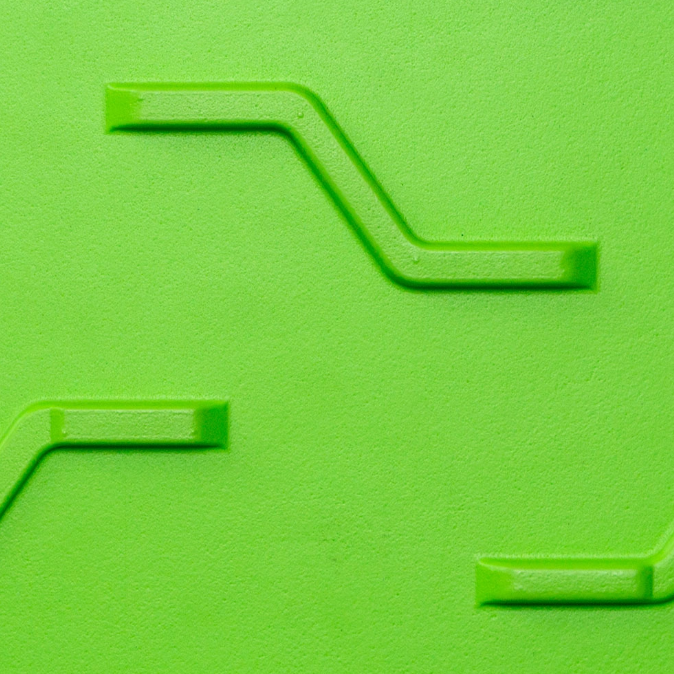
| Crew safety | Slippery when wet, splinters | Dual-sided slip-resistant tread |
| Appearance | Messy, unprofessional | Clean, professional, hi-vis green |
| Disposal cost | Yes – every few jobs | None |
| Warranty | None | 3-year warranty |
| Made in USA | Varies | Yes – Twin Lakes, WI |
The Hidden Cost Plywood Creates: Property Damage Claims
Here’s the number most contractors don’t put in their plywood calculation: the cost of property damage.
Plywood doesn’t provide rated protection. It fails unpredictably under wet conditions, concentrated loads, and heavy equipment. When it fails on a client’s driveway, you’re the one dealing with the result.
Average driveway repair costs
- Concrete crack repair: $300 to $800
- Asphalt crack sealing and patching: $200 to $600
- Paver replacement (per section): $500 to $2,000+
- Stamped concrete repair: $800 to $2,500+
A single damage claim exceeds the cost of a set of HDPE mats. And damage claims don’t happen once—on jobsites without proper protection, they happen repeatedly.
The Professional Image Factor
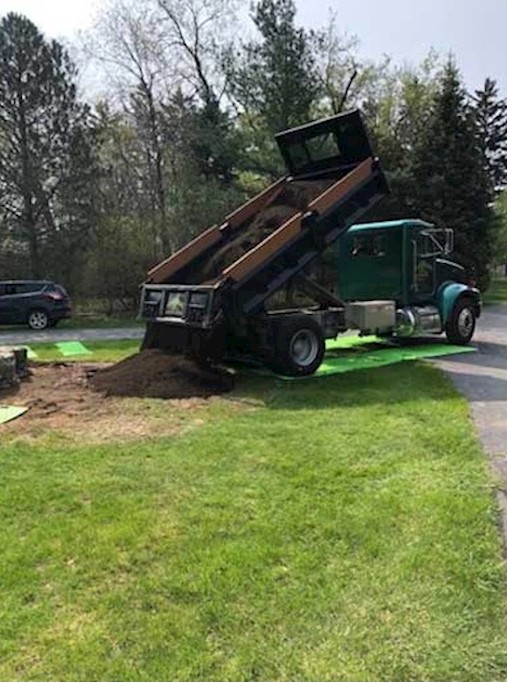
Contractors who show up with engineered HDPE mats look different from crews who throw plywood down. Clients notice. Property managers notice. General contractors managing subcontractors notice.
On high-value residential properties and commercial accounts, professional presentation creates trust before the first nail goes in. That trust generates better reviews, stronger referrals, and access to higher-value projects.
Plywood signals temporary and improvised. BAM! mats signal prepared and professional.
The Crew Efficiency Factor
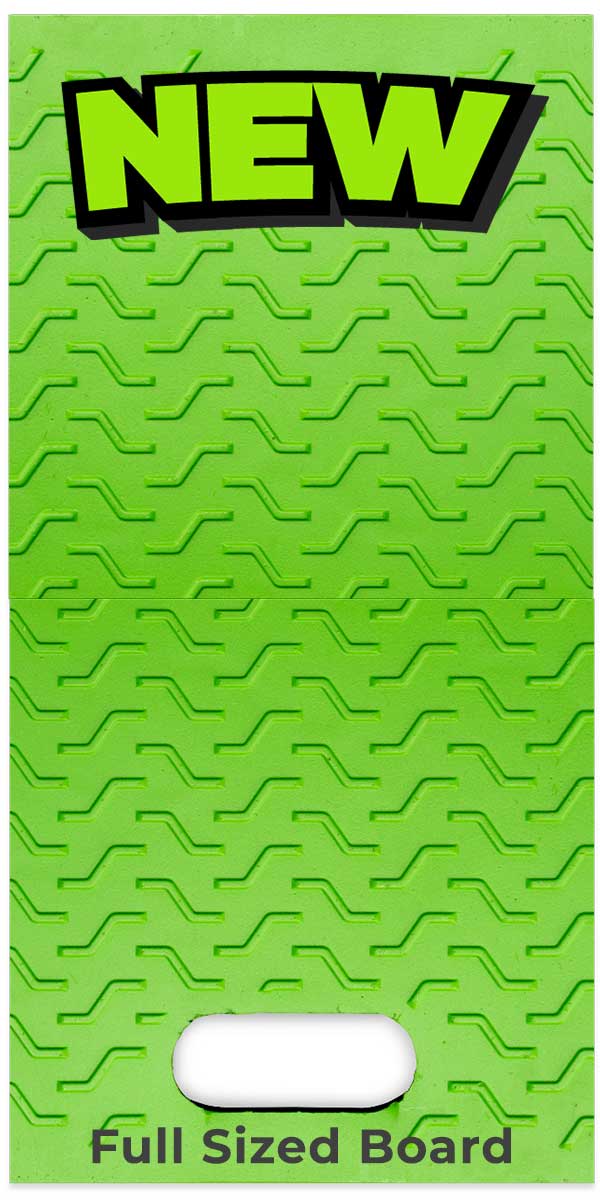
Plywood sheets are heavy and awkward. They warp, they splinter, they require careful handling to avoid injuries. BAM! 4×8 mats weigh 56 pounds each and have 8 large hand holds designed for gloved hands. Crew members can position, reposition, and stack panels faster than they can handle equivalent plywood.
Faster setup and teardown adds up across a season. Time saved on mat handling is time available for productive work.
Environmental Consideration
Plywood creates ongoing waste. Every few jobs, a sheet goes to the landfill. Over a season, that’s 20 to 40 sheets disposed of per contractor.
BAM! HDPE mats are made from highly recyclable material and are designed for long-term reuse. The environmental footprint over time is dramatically smaller than disposable plywood.
Frequently Asked Questions
Q: Is there any situation where plywood is the better choice over HDPE mats?
A: For very occasional, light-duty use where weight distribution isn’t a concern and appearance doesn’t matter, plywood can work for a single job. But for contractors doing regular work that involves equipment and driveways, HDPE mats deliver better performance, safety, and economics.
Q: How quickly do HDPE mats pay for themselves versus plywood?
A: Most contractors recoup the cost of BAM! mats within a single season when factoring in plywood replacement costs. When a property damage claim is avoided, the payback is often immediate.
Q: Can I use HDPE mats and plywood together?
A: Some contractors use mats for high-risk zones (dumpster placement, equipment staging) and keep plywood for lower-priority areas while transitioning. Over time, most crews eliminate plywood entirely because the efficiency of a uniform system is significant.
Q: Where can I buy BAM! ground protection mats?
A: BAM! mats are available through a nationwide distributor network. Visit bamgroundpro.com/where-to-purchase or call 888-870-8158 to find the nearest location.
The Decision Is Clear
When you run the complete numbers—cost per use, property damage risk, crew efficiency, and professional image—HDPE ground protection mats don’t just compare favorably to plywood. They make plywood an expensive choice.
See the full BAM! product lineup at bamgroundpro.com/products. Contact us at bamgroundpro.com/contact-us, call 888-870-8158, or email msheridan@alliedplastics.com. Work cleaner. Work safer. Pro’s choose BAM!